Shane
Greene
Ten seasons of professional baseball, an All-Star nod, and 67 career saves — built on a long road that started nowhere near the top. That road is exactly why he coaches kids the way he does.
Relief Pitcher / Closer
10
6 MLB
2019 All-Star
The Record
2009 — 2026- 01Daytona State
A 15th-round draft pick
Shane wasn't a top prospect. He was a 15th-round draft pick out of Daytona State College — the kind of player who has to earn every inning twice.
- 02The setback
Major elbow surgery
A serious elbow surgery took the game away for a while. The rehab work — slow, unglamorous, daily — is what actually built the pitcher he became.
- 032014
MLB debut with the Yankees
He made it. The debut kicked off a decade in professional baseball that most 15th-rounders never get to see.
- 042019
MLB All-Star
An All-Star selection, and a season split between the Tigers and a pennant race with the Braves — recognition at the toughest inning in the sport.
- 052021
67 career saves
Shane reached 67 career saves in the big leagues — every one of them earned in the highest-leverage inning in baseball, against the best hitters in the world.
- 0610 seasons
Six MLB organizations, three countries
Yankees, Tigers, Braves, Dodgers, Cubs, and Rangers, plus international pro ball with the Diablos Rojos del México, Cardenales de Lara in Venezuela, and Gigantes del Cibao in the Dominican Republic.
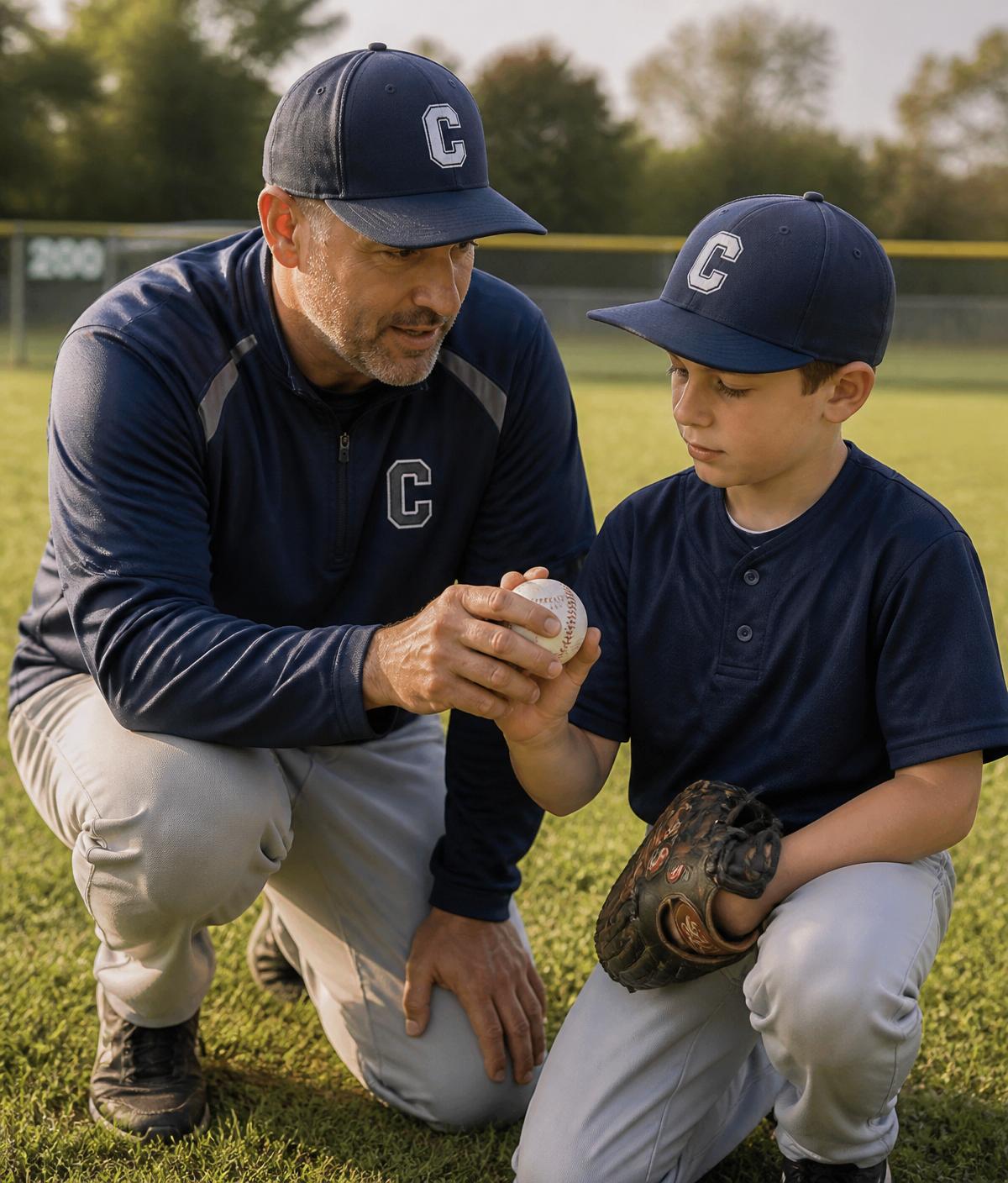
Field Session · Photo placeholder
The coach I wish I'd had at fourteen.
Nobody handed me anything. I was a 15th-round pick who had elbow surgery before most people knew my name. What got me to the big leagues wasn't raw talent — it was a handful of people who guided me mentally and emotionally through the hardest parts of the climb.
Before I ever stepped onto an MLB mound, I experienced setbacks that made me question whether baseball was even going to work out for me. I lost a college scholarship. I didn't make my college team my sophomore year. There were moments when the dream felt further away than ever. What pulled me through wasn't a mechanical fix — it was learning how to handle the mental side of failure, how to keep showing up when the results said stop, and how to believe in the work when nobody else was watching.
A lot of young players never get that. They get someone yelling "throw strikes," or a flashy program that costs more than it's worth. Neither one teaches a kid how to repeat a delivery, how to plan an at-bat, or what to do with their head after a bad inning.
So I keep it simple. Watch the player. Tell them exactly what I see. Give them two or three things to work on, and make sure they leave knowing why. Mechanics matter. Mentality matters more. The goal isn't to turn every kid into a big leaguer — it's to build a more confident player who still loves the game next season.